
Intipunku: The Sun Gate, the End of the Inca Trail
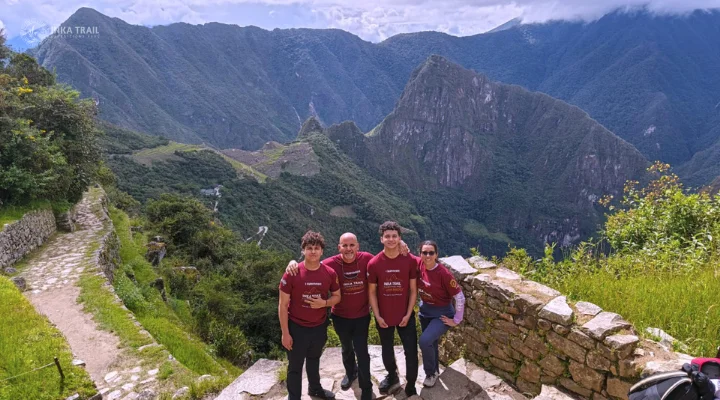
After four days of walking, dozens of kilometers, and some of the most impressive archaeological sites in the Andes, the Inca Trail 4 days reaches its defining moment at Intipunku: the Sun Gate, the exact spot where Machu Picchu is revealed for the first time to those who have walked all the way here.
What Is Intipunku?
The name Intipunku comes from the Quechua "inti" (sun) and "punku" (gate), literally translating to "Sun Gate." It sits at the highest, southeastern point of Machu Picchu, in a spot that visually dominates the entire citadel and surrounding valley, giving it both strategic and symbolic value within the Inca system.
It's worth noting that the name "Intipunku" or "Sun Gate" was, according to some sources, chosen somewhat arbitrarily by those documenting Machu Picchu's rediscovery in the early 20th century, who needed a way to name the new findings. Even so, the structure's astronomical alignment with the sunrise during the summer solstice supports that name and its strong symbolic weight within the Inca worldview.
Original Function: Control, Watch, and Spiritual Meaning
Intipunku is believed to have served as the main entry and exit checkpoint for Machu Picchu during Inca times, since it was the meeting point between the citadel and the Qhapaq Ñan road network. Some researchers suggest it also served as a residence for the guards responsible for protecting the sacred city, given its remote character and access restricted only to invited or authorized travelers.
The structure preserves walls, windows, and niches carved with fine craftsmanship, with openings facing both toward Machu Picchu and the opposite direction, toward the Inca Trail. During the solstices, the rising sun's rays pass through the gate and directly illuminate the citadel — a phenomenon that held deep spiritual meaning for the Incas and still draws hikers and amateur astronomers today.
The First Glimpse of Machu Picchu
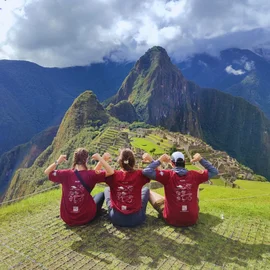
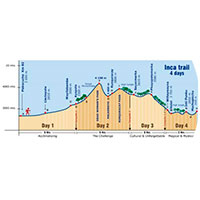
For those hiking the classic 4-day Inca Trail, Intipunku represents far more than an archaeological site: it's the place where, after three days of physical effort and discovery, Machu Picchu finally appears before their eyes. Groups typically leave the Wiñaywayna campsite before dawn, right as the trail's last checkpoint opens, aiming to reach Intipunku in time to watch the sunrise over the citadel.
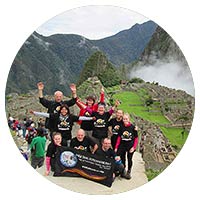
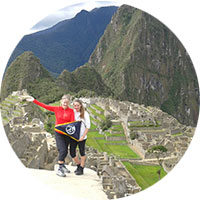
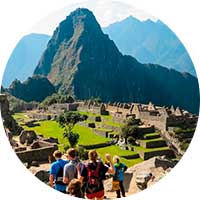
It's, without exaggeration, one of the most emotional moments of the entire trek: the combination of accumulated fatigue, days of anticipation, and the first view of Machu Picchu framed by green mountains and the Urubamba River tends to become the defining memory of the whole experience.
Can You Visit Intipunku Without Doing the Inca Trail?
Location and How to Get There
Intipunku sits southeast of the Machu Picchu citadel, within the Historic Sanctuary, at the highest point where the Inca Trail connects with the archaeological complex. For those doing the 4-day trek, it's reached on foot from Wiñaywayna in the early hours of the last day. It can also be visited as a short hike from within the citadel itself, for those entering via the conventional route (train and bus).
Reference location of Intipunku (Sun Gate), Machu Picchu Historic Sanctuary, Cusco.
Other Stops Near Intipunku
Wiñay Wayna
The last campsite of the Inca Trail, the starting point for the final walk to Intipunku.
Inti Pata
The neighboring agricultural terraces, visible from several stretches of the trail toward Intipunku.
Machu Picchu
The Inca citadel, the trek's final destination, reached just after passing through the Sun Gate.
Cross Intipunku and Watch the Sunrise Over Machu Picchu
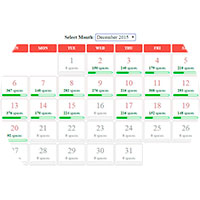
Intipunku is the reason thousands of travelers choose the Inca Trail over the direct train. Check out the full itinerary, available dates, and everything included in our classic Inca Trail tour.