Warmiwañusca: Dead Woman's Pass, the Summit of the Inca Trail
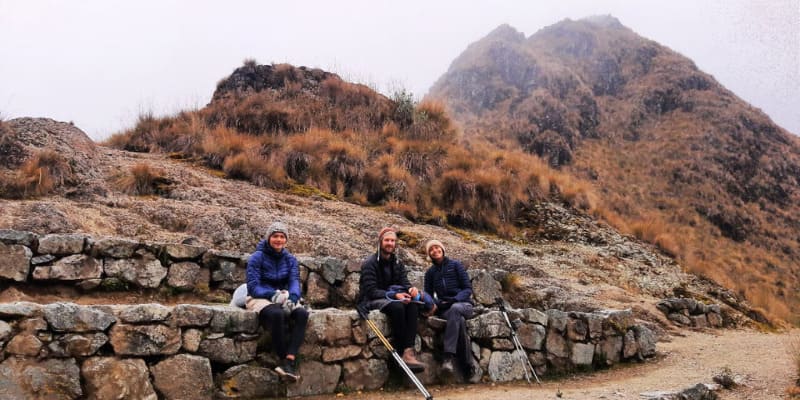
After the toughest climb on the entire Inca Trail 4 days, the trail crests at Warmiwañusca: the highest point on the classic route, at 4,215 meters (13,828 ft) above sea level. Widely known as Dead Woman's Pass, this Andean mountain gap isn't just the trek's biggest physical test — for many hikers, it's also its most meaningful emotional milestone.
What Does Warmiwañusca Mean?
The name comes from the Quechua "warmi" (woman) and "wañusca" (dead, who died), commonly translated as "dead woman." The origin of the name isn't a literal event — it comes from the shape of the mountain: seen from the Cusichaca valley below, the silhouette of the ridge resembles the profile of a woman lying down, gazing at the sky, an image local communities interpreted and passed down through generations.
Oral legends also attribute the name to other stories: one tells of a woman who lost her life here during a time of war; another suggests the mountain's profile represents a female deity linked to fertility and nature. These are oral traditions, not verified facts, but they're part of the spiritual meaning hikers associate with this place.
The Toughest Day of the Inca Trail
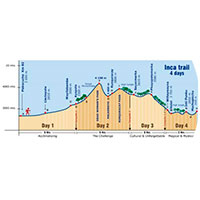
Warmiwañusca is crossed on Day 2 of the classic Inca Trail, widely considered by guides and travelers alike to be the hardest of the four days. From the Wayllabamba campsite (3,000 m), the climb to the top of the pass covers roughly 1,200 meters of elevation gain, over four to six hours depending on the group's pace and level of acclimatization. The trail climbs steadily, with no significant flat stretches to offer real rest.
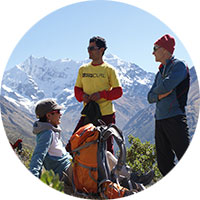
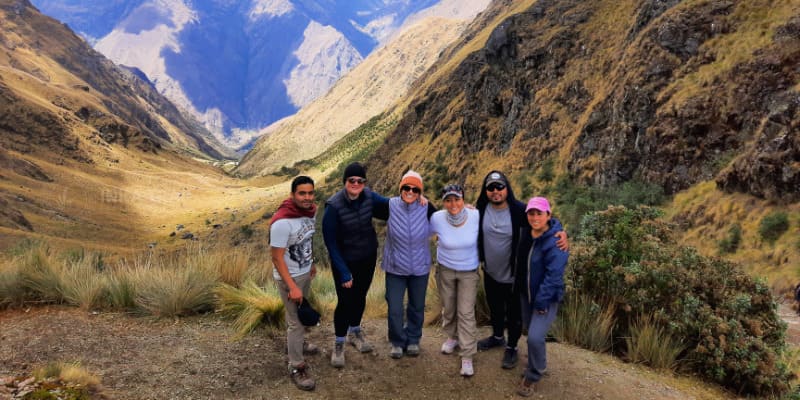
The landscape shifts noticeably as elevation increases: forests give way to high-Andean puna grassland, covered in ichu (tough native grass), with increasingly open views of the snow-capped peaks ringing the valley, including the striking Verónica (Waqaywillka), at 5,682 m.
What It Feels Like to Reach the Top
Reaching Warmiwañusca is, for most trekkers, both a physical and psychological milestone. Mild altitude sickness symptoms are common on this stretch, which is why proper acclimatization in Cusco beforehand is key to fully enjoying the climb. Once at the top, the reward is a panoramic view of glacial valleys and the transition between Andean puna and cloud forest — and, for those who look back, the satisfaction of having overcome the trek's most feared challenge.
At the summit, it's common to find an apacheta: a mound of stones built up over time by hikers and local people as a tribute to the apus, the sacred mountains, in gratitude for reaching that point.
Wildlife and Vegetation at the Pass
At this elevation, vegetation is limited to species adapted to extreme cold and altitude, such as ichu grass and a few hardy orchids. As for wildlife, it's common to spot high-Andean birds and, at times, domestic llamas grazing on the nearby slopes — two presences that reinforce the feeling of being at the heart of the Andes.
After the Pass: The Descent to Pacaymayo
After a well-earned rest at the top, the trail continues with a steep descent of nearly 1,000 meters down to the Pacaymayo valley, where the trek's second campsite sits at around 3,600 meters. The descent combines stone staircases carved by the Incas with more uneven stretches, so it's best to walk at a steady pace to protect your knees after the effort of the climb.
Location and How to Get There
Warmiwañusca sits southwest of the Llactapata archaeological site, between Llulluchapampa and Pacaymayo, along Day 2 of the classic Inca Trail. There's no vehicle access: it can only be reached on foot, after a sustained climb from the first night's campsites.
Reference location of Warmiwañusca (Dead Woman's Pass), classic Inca Trail, Cusco.
Why It's the Trek's Most Remembered Moment
Few experiences on the Inca Trail build as much anticipation — or as much relief once conquered — as Warmiwañusca. It's the point where the body is truly tested, but it's also where most hikers agree on one thing: after this summit, they know they'll make it to Machu Picchu.
Other Stops Near Warmiwañusca
Llulluchapampa
The rest-stop meadow where hikers take their last break before the final climb to the pass.
Pacaymayo
The highest-elevation campsite on the route, reached after the descent from Warmiwañusca.
Runkurakay
The trail's second mountain pass, crossed on the morning of Day 3.
Conquer Warmiwañusca on Your 4-Day Inca Trail Trek
Dead Woman's Pass is the challenge that defines the Inca Trail experience. Check out the full itinerary, available dates, and everything included in our classic Inca Trail tour.